Pixel Pioneers Bristol
 LocationBristol, United Kingdom
 AttendanceIn-person Event
 Travel
 Host
Host
 About Pixel Pioneers Bristol
Pixel Pioneers, the South West's leading community conference for front-end developers and UX/UI designers, returns to Bristol for its 8th edition on 19 June. Once again, the focus is on highly practical talks that will help you build better websites or apps, and you'll be able to apply what you've learned straight away when you're back in work.
This time, topics include new CSS and JavaScript features safe to use in your projects today, creating web layouts with both code and UI design tools, designing and building low-carbon websites, language as the key to great UX, making music with HTML, and more.
 Related Topics
 Speakers
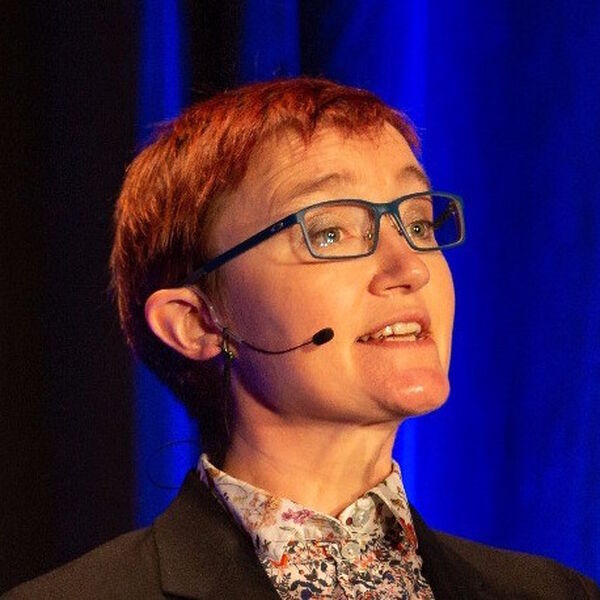 Rachel Andrew
Rachel Andrew speaks about A Pragmatic Guide to Browser Support
A Pragmatic Guide to Browser Support
It’s tempting to think of Baseline as creating a hard line. If a feature isn’t Baseline, then it’s not ready for use. However, we all know that web development is a world of “it depends”.
While we can, in most cases, make an objective, unopinionated call on whether something is or is not interoperable, it’s much harder to decide whether something is a good candidate for progressive enhancement. That requires an opinion, knowledge of the audience, even the exact use of the feature.
So, how should you think about using Baseline to inform your browser strategy? What about those features that have limited availability but are obvious progressive enhancements or have a great polyfill? Is there a difference between a feature that’s only in one browser and one that’s stable in two?
In this talk, you'll learn about some of the CSS and JavaScript features that are Newly available and some that are still not yet Baseline, but that have a clear path to be included in your development roadmap.
 Christine Vallaure
Christine Vallaure speaks about The Invisible Divide: Understanding Layout Between UI Design and Code
The Invisible Divide: Understanding Layout Between UI Design and Code
Designers and developers often approach layout with different mental models, especially around grids, spacing, and responsiveness. That disconnect leads to friction and broken expectations.
In this talk, we look at layout from both sides: CSS Grid, Flexbox, and Container Queries from the code side, and Figma and Penpot from the design side. This is not about handoff perfection, but about building shared understanding and better outcomes through clearer collaboration.
 Candi Williams
Candi Williams speaks about Language: The Secret Sauce of Great UX
Language: The Secret Sauce of Great UX
Good, helpful, useful, readable content is at the heart of good design. So, why is it so often seen as an afterthought?
This talk hones in on how we can change that, delving into linguistics and examples to highlight why real content is crucial and how UX design and content people can work together to create the most meaningful designs – even when your content designers are stretched thin (or non-existent at your org!).
 Morgane Peng
Morgane Peng speaks about Dev x Design x PM: A Trio in Transition
Dev x Design x PM: A Trio in Transition
The classic Developer x Designer x PM trio is supposed to work like a well-oiled machine… but in reality, it's often three people arguing over who broke the designs, who forgot the edge cases, and who keeps adding "just one more feature" to the MVP.
With budgets tightening and AI speeding everything up, those old role boundaries make even less sense today, yet the friction remains. How do we collaborate without stepping on each other's toes, or egos?
In this talk, we'll cut through the "AI builder" buzzword and focus on what can work inside established orgs. Morgane will share concrete examples and practical advice to help teams work together more smoothly and with less eye-rolling.
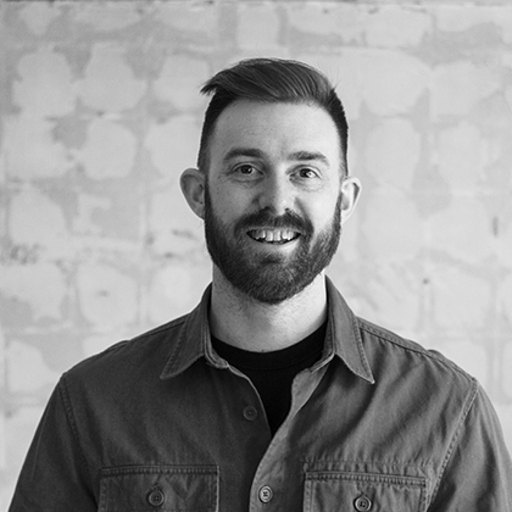 Nick Lewis
Nick Lewis speaks about Designing and Building for the Low-Carbon Web
Designing and Building for the Low-Carbon Web
Have you ever considered the environmental impact of your digital work? Have you felt stuck, not knowing what you can do within your role?
In this talk, we will explore how designers and developers can reduce the footprint of the digital products and services they create for clients. From the initial mindset shift, through tweaking how we work with industry tools, to implementation and measurement – this talk isn’t about shaming or passing the blame torch. It’s about the everyday changes you can make that are better for both people and the planet.
 Heydon Pickering
Heydon Pickering speaks about Making HTML Make Music
Making HTML Make Music
The <img/> element was available in 1995. We had to wait another 15 years for <audio/>. There’s still little we can do with sound in HTML, except play, or stop, something already recorded. Actually sampling, signal processing, and sequencing sound means either raw-dogging the Web Audio API or using a monolithic library like Tone.js.
In any case, you find yourself writing a lot of JavaScript and not much music. I want to be able to design sound like I write prose: hypertextually. Pursuing this has become a multi-year obsession, and it’s revived my 20-year-long passion for the web. Along the way, I’ve discovered a 2KB custom element can do as much as £200 of hardware. This way to the rabbit hole!
 Kardo Ayoub
Kardo Ayoub speaks about Well, I Didn’t See That Coming!
Well, I Didn’t See That Coming!
Join us for a fun, light-hearted, and eye-opening (pun intended!) journey through the world of design, as Kardo shares his personal story of becoming a visually impaired designer. He’ll be talking about what it’s like to navigate the design world with a vision impairment, how it’s transformed the way he thinks about design and accessibility, and why inclusive design isn’t just important — it’s essential.
Expect real-life insights, some humorous stories, and practical tips to help you rethink the way you approach design. Whether you’re a seasoned designer or developer, or just curious about how to make your products more user-friendly, this talk will inspire you to see the world of design differently. You’ll no doubt walk away with a fresh perspective on how good design can make a huge impact for everyone — whether they have 20/20 vision or not! Don’t miss out — make the world more inclusive, one design at a time.
 Luke Murphy
Luke Murphy speaks about Lightning Talk: Design Systems are Dead. Long Live Design Systems
Lightning Talk: Design Systems are Dead. Long Live Design Systems
Design systems need to die — or at least, design systems as we know them. The way we've commodified the discipline, wrapped it in jargon, and positioned ourselves as a "different" kind of team has made it nearly impossible for the people who control budgets to actually understand what we do. We're at the peak of inflated expectations, sliding into the trough of disillusionment, and the way out isn't better branding, it's radical simplification. If we want buy-in, we need to stop talking about "design systems" and start talking about platform, operations, and enablement in language that actually makes sense to the rest of the org.
In this talk, Luke will argue for de-commodifying design systems entirely: breaking them down into their constituent parts and positioning them as core product infrastructure rather than a separate, magical discipline. The goal isn't to kill what we do, but to integrate it so deeply into how product teams work that it becomes invisible. That's the path to the plateau of productivity: Cut the bullshit, communicate value in terms people understand, and stop treating design systems like a niche specialism that needs defending.
 Matt Zeunert
Learn more about Matt Zeunert
Matt Zeunert speaks about Lightning Talk: Where Do Your Web Performance Metrics Come From?
Lightning Talk: Where Do Your Web Performance Metrics Come From?
Superficially, different page speed testing tools are very similar. But a look under the hood reveals why they often report different metric values for the same website.
In this talk, Matt will explain the differences in how these tools are built, the constraints they operate under, and how different ways to simulate a slow network can impact your performance metrics.
Learn what to keep in mind when interpreting your test results from tools like Lighthouse, Chrome DevTools, WebPageTest, or the DebugBear website speed test.
 Pixel Pioneers Bristol trailer
 Price
Price
Promocode: NEONMOIRE (10% off)Get Your Ticket
 Venue
Venue
Arnolfini
16 Narrow Quay
BS1 4QA, Bristol
United Kingdom
 Tell your friends